Boosting Productivity with Advanced Swiss CNC Machining Techniques
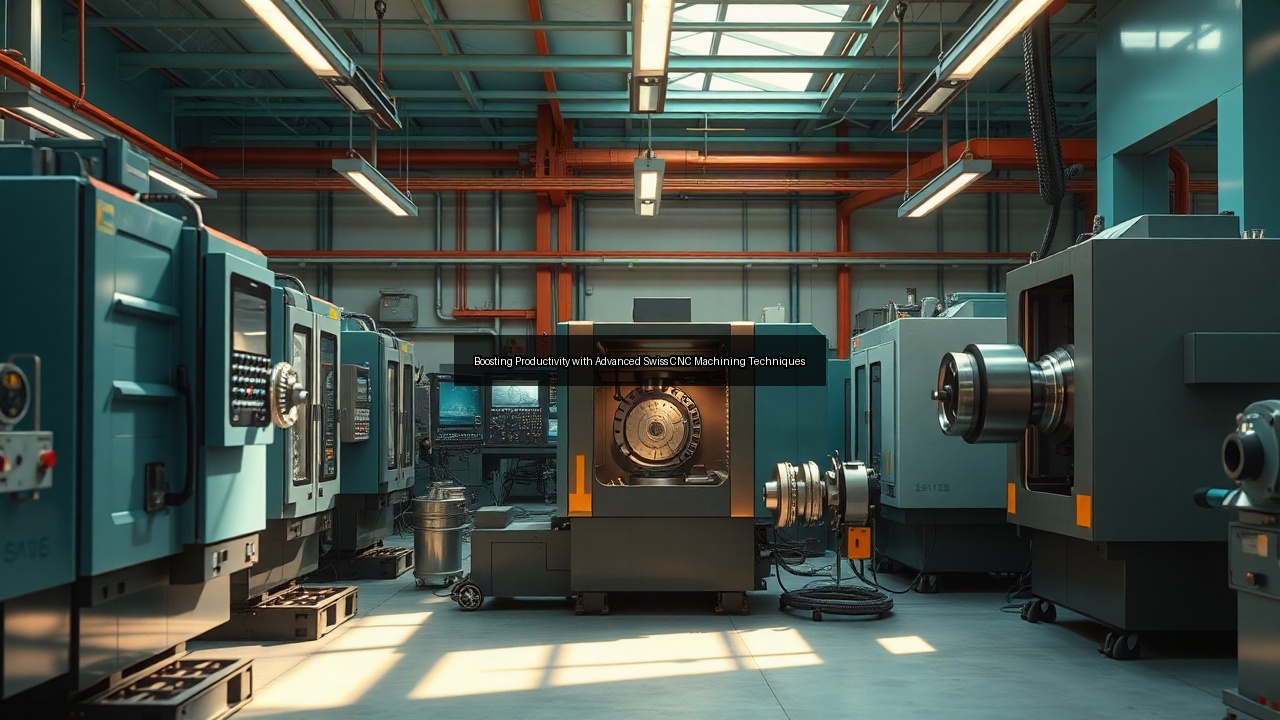
Understanding Swiss Machining Techniques
Overview of Swiss Machining
Swiss machining delivers unmatched precision for small, complex parts through a unique guide bushing system that supports the workpiece right at the cutting point. This approach reduces deflection and vibration, allowing operators to achieve tight tolerances on long, slender components that traditional methods struggle to handle. Manufacturers rely on swiss machining for high-volume runs of medical screws, watch parts, and electronic connectors. The process combines turning, drilling, and milling in a single setup, which cuts down on secondary operations and boosts overall throughput. Shops that adopt swiss techniques often report faster cycle times and fewer scrapped pieces because the bar stock feeds continuously into the machine without repeated clamping. As a result, swiss machining supports consistent quality even when producing thousands of identical parts daily.
Key Features of Swiss Style Lathes
Swiss style lathes stand out because of their sliding headstock and guide bushing that keeps material rigid during cutting. This design enables simultaneous machining on multiple axes, including live tooling for cross-drilling and milling without moving the part to another station. Many models incorporate automatic bar feeders that maintain steady material supply, minimizing downtime between cycles. Operators appreciate the rigid construction that handles high spindle speeds while preserving surface finishes on delicate materials. Advanced models also feature quick-change tooling systems that shorten setup times when switching between jobs. These features combine to increase productivity by allowing one machine to complete parts that once required several conventional lathes. The compact footprint of swiss style lathes also helps machine shops maximize floor space without sacrificing capacity.
Difference Between Swiss Lathes and Traditional Lathes
Traditional lathes hold the workpiece at both ends or in a chuck, which can introduce flex on long parts and limit precision. Swiss lathes, by contrast, support the material directly behind the cutting zone with a guide bushing, eliminating whip and allowing deeper cuts in one pass. This fundamental difference means swiss machines excel at producing slender, high-tolerance components that conventional equipment cannot match without multiple setups. Cycle times drop because swiss lathes perform turning, threading, and milling in a single operation, whereas traditional machines often need part transfers that add handling time and error risk. Shops focused on productivity choose swiss lathes for runs involving intricate geometries or challenging materials like stainless and titanium. The result is higher output per shift and lower labor costs across the board.
Enhancing Productivity with Swiss CNC Machining
Impact of Automation on Production
Automation transforms swiss cnc machining by integrating robotic loaders, bar feeders, and in-process inspection systems that run lights-out operations. Once programmed, machines continue producing parts overnight with minimal supervision, dramatically increasing daily output. Automation reduces human error in material handling and allows consistent repeatability across large volumes. Shops that implement automated cells report productivity gains of 30 percent or more because operators shift focus from manual tasks to process optimization. Real-time monitoring sensors detect tool wear early, preventing scrap and unplanned stops. This level of automation makes swiss cnc machining ideal for contract manufacturers handling repeat orders, where steady throughput directly improves margins and delivery speed.
Utilizing Advanced Software for Efficiency
Modern software packages optimize tool paths, simulate entire cycles, and generate collision-free programs before any metal is cut. CAM platforms tailored for swiss machining calculate ideal feeds and speeds based on material properties and tool geometry, shortening cycle times without compromising finish quality. Offline programming lets engineers prepare jobs while machines stay productive, eliminating idle time during changeovers. Integrated scheduling modules track job queues and predict completion dates, helping machine shops manage customer expectations more accurately. Data analytics from these systems reveal bottlenecks in the swiss machining process, guiding continuous improvement efforts. As a result, facilities achieve higher overall equipment effectiveness and faster response to design changes or new part orders.
Tooling Innovations in Swiss Machining
Recent tooling advances include carbide inserts with specialized coatings that extend life when cutting abrasive materials, and quick-change holders that slash setup duration. Multi-function tools combine drilling and turning in one station, reducing the number of positions needed on the machine turret. High-pressure coolant delivery through the tool tip improves chip evacuation and surface finish on deep holes. Manufacturers also benefit from modular tooling systems that adapt quickly to different diameters and thread forms common in swiss turning. These innovations directly raise productivity by allowing higher cutting parameters and fewer tool changes per shift. Shops that stay current with tooling developments consistently outperform competitors still using older equipment on the same parts.
Applications of Swiss Machining in Various Industries
Aerospace Industry Applications
Aerospace manufacturers depend on swiss machining to produce critical fasteners, hydraulic fittings, and sensor housings that meet strict weight and tolerance requirements. The process handles exotic alloys while maintaining concentricity and surface integrity essential for flight hardware. Swiss machines excel at creating long, thin components such as actuator rods that traditional lathes cannot stabilize properly. High repeatability ensures every batch matches the first article, reducing inspection time and supporting just-in-time delivery schedules common in the sector. Because swiss machining combines multiple operations in one cycle, aerospace suppliers shorten lead times and lower per-part costs on complex geometries. This capability proves especially valuable when producing low-to-medium volumes of high-value parts that demand zero defects.
Machining Nickel and Other Challenging Materials
Nickel alloys resist heat and corrosion yet cause rapid tool wear during conventional machining. Swiss cnc machining counters these issues through rigid support and precise coolant application that keeps temperatures in check. Optimized chip control prevents built-up edge on the cutting edge, extending tool life and preserving dimensional accuracy. Shops often run nickel parts at lower speeds but higher feed rates enabled by the guide bushing, maintaining productivity without sacrificing quality. Similar techniques apply to titanium and cobalt chrome, allowing one swiss machine platform to handle a wide range of difficult materials. This versatility helps manufacturers consolidate equipment and reduce the need for specialized secondary processes.
Precision Machining for Medical Components
Medical device companies use swiss precision machining to create bone screws, surgical instruments, and implantable connectors that require sub-micron accuracy and pristine finishes. The process supports biocompatible materials such as titanium and PEEK while meeting stringent cleanliness standards. Continuous bar feeding enables efficient production of long runs of identical parts with minimal variation between pieces. Swiss machines also accommodate quick design iterations because setups change rapidly, supporting the fast-paced development cycles typical in orthopedics and cardiovascular devices. By completing turning, milling, and threading in one operation, manufacturers reduce handling that could introduce contamination. This integrated approach improves both productivity and regulatory compliance across the medical supply chain.
Optimizing Swiss Machining Processes
Streamlining Machine Shop Operations
Effective machine shop management starts with standardized work instructions and organized tooling cribs that cut search time during setups. Cross-training operators on multiple swiss machines builds flexibility so production continues smoothly during absences or demand spikes. Preventive maintenance schedules keep cnc machines running at peak performance and avoid costly breakdowns that halt entire lines. Lean principles applied to material flow reduce work-in-process inventory and free floor space for additional equipment. Shops that track key metrics such as overall equipment effectiveness and first-pass yield identify improvement opportunities quickly. These operational refinements compound over time, turning incremental gains into substantial productivity increases without major capital investment.
Geometries and Their Role in Performance
Part geometries directly influence cycle time and tool life in swiss machining. Simple diameters and straight features allow aggressive feeds, while complex contours and undercuts require slower, more deliberate passes. Designers who minimize sharp internal corners and deep recesses help machinists maintain higher speeds and better chip evacuation. Proper geometry also reduces the need for custom form tools, lowering per-part costs on medium volumes. Engineers often collaborate with swiss machining specialists early in the design phase to balance function with manufacturability. The payoff appears in shorter lead times and fewer engineering changes once production begins. Thoughtful geometry choices therefore become a core driver of overall process efficiency.
Managing Volumes with Swiss CNC Machines
Swiss cnc machines handle both prototype quantities and production volumes exceeding 100,000 pieces with equal reliability. Bar feeders and automatic part unloaders keep the process running continuously, matching output to customer demand without extra labor. When volumes rise, shops add a second shift or another machine rather than retooling an entire line. For lower volumes, quick-change tooling and stored programs allow rapid job transitions that keep utilization high. This scalability makes swiss machining attractive for contract manufacturers serving fluctuating markets. Accurate forecasting of volumes helps planners optimize batch sizes and inventory levels, further improving cash flow and delivery performance across the operation.
Future Trends in Swiss CNC Machining
Emerging Technologies in Swiss Machining
New developments include hybrid machines that combine swiss turning with additive manufacturing capabilities, enabling repair of worn features without full part replacement. Laser-assisted machining softens difficult materials ahead of the cutting edge, extending tool life on nickel and cobalt alloys. Integrated metrology heads perform in-cycle measurements and automatically adjust offsets, virtually eliminating scrap from dimensional drift. These technologies reduce total process time and open new part possibilities that once required multiple specialized machines. Forward-looking shops invest in these capabilities to stay competitive as customer requirements grow more demanding.
Sustainable Practices in CNC Machining
Energy-efficient spindle motors and regenerative braking systems lower electricity consumption during swiss machining cycles. Dry machining techniques and minimum quantity lubrication reduce coolant use and disposal costs while maintaining chip control. Recycling programs for chips and used tooling recover valuable materials and shrink the environmental footprint of production. Manufacturers also optimize nesting and nesting algorithms in software to minimize bar end waste. These sustainable measures often coincide with cost savings, making them attractive to both management and customers seeking greener supply chains. Over time, such practices strengthen a shop’s reputation and open doors to environmentally conscious clients.
The Role of AI in Swiss Machining Solutions
Artificial intelligence analyzes sensor data from swiss machines to predict tool wear and schedule replacements before failure occurs. Machine learning models optimize feeds and speeds in real time based on actual cutting conditions, squeezing extra productivity from existing equipment. AI-driven scheduling systems balance workloads across multiple cnc machines to minimize bottlenecks and meet delivery deadlines. Natural language interfaces let operators query machine status or request program adjustments without deep coding knowledge. As these solutions mature, they lower the skill barrier for running advanced swiss machining equipment while raising overall output and consistency. Early adopters gain a measurable edge in both quality and cost.